We build the product you have defined, and help you shape it before we do
The budget, and the "no"
On a Product Development engagement, the most valuable part of the work happens before the build. A senior person from the company is on every project, and the guidance comes from there. That is why you will hear no. A feature that does not earn its cost, a path that will be expensive to keep, an alternative that does the same job for less — that is the service, not a delay to it. The budget counts because someone senior is responsible for it.
One team
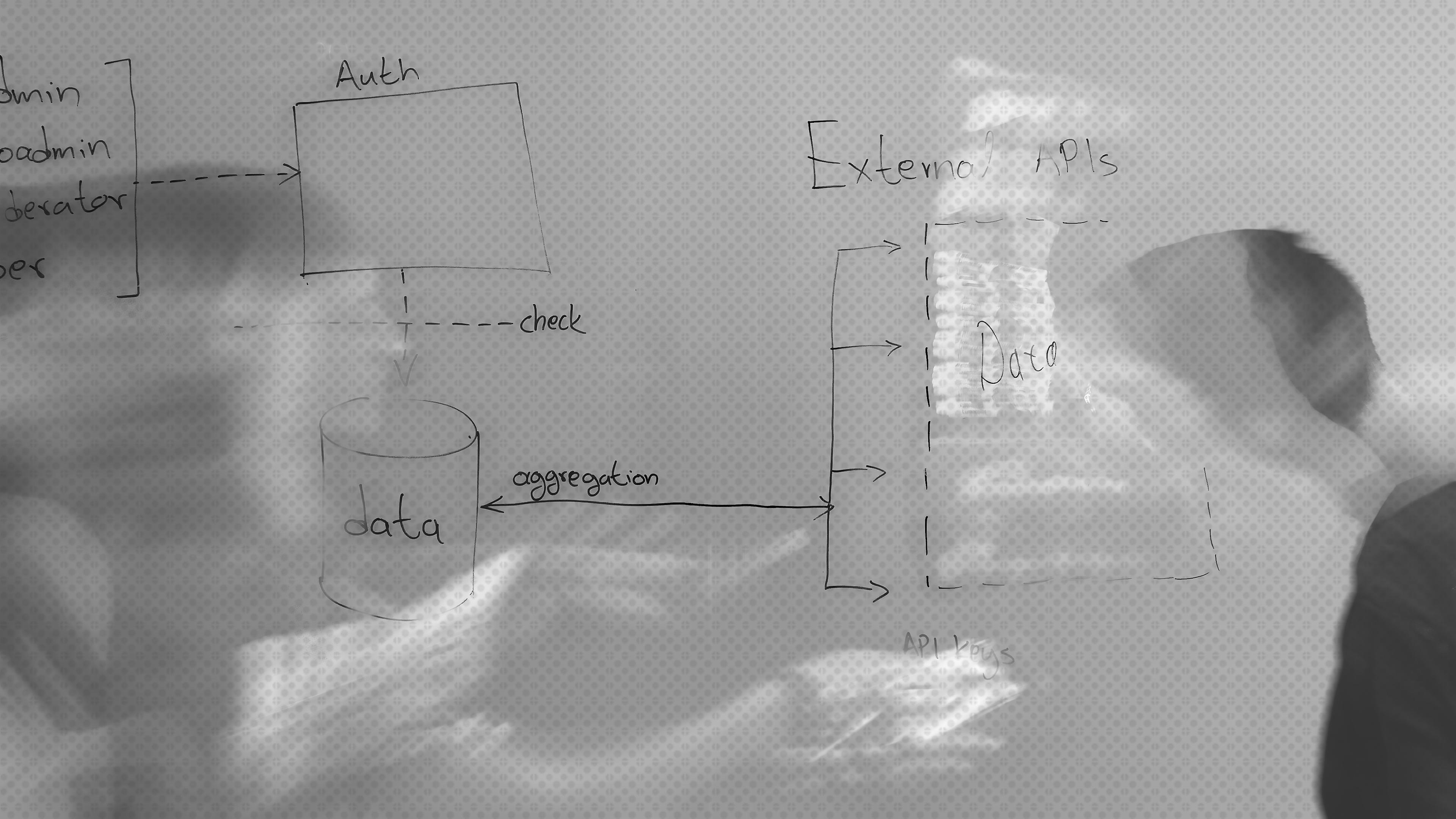
You are not briefed and then left waiting. The process only works with you in it: feedback, steering, and the decisions that belong to the product. We build. You keep the direction. Neither side is optional.
Yours, and replaceable
The work is done to a standard where another senior team could take it over. That is the test we use. The contract is clean and standard, and the code is yours from the start — repositories and hosting keys in your name, access given to us, not the other way around. Part of the work is making sure you know what your digital assets are.
After delivery
Every project includes three months of guarantee. We watch the operation with you, fix what appears, and make the last small changes. While we are building the next features, support is included. After that, a plan by the hour or by the month — whichever fits the product and the budget. We do not make money from support. We make money from building. Less support means the software was better.
Mastering Verticals: Our Expertise in Key Industries and Advanced Features at KMB
Marketplaces
A marketplace is two sides that have to find each other, and then trust what happens next. Employers and candidates, buyers and sellers, hosts and guests. The difficult part is rarely the listing. It is the roles, the rules, the moment money or responsibility changes hands, and whether a review means anything afterwards. We have built this shape. Both sides should feel the platform is fair, and the person running it should be able to get through the day without a manual.
Business Tools
Software a company runs its day on, instead of an inbox and a spreadsheet. Bookings, assignments, exceptions, the status everyone keeps asking for. Where it earns its place, AI does a job inside that system — reading a request, drafting the next step, routing what a person used to copy by hand. We have replaced that desk with a tool the team actually uses, including the cases that never made the first brief. The customer may pass through it. The point is the operation behind them.
Public Websites
The public face of a company or a place: who you are, what you offer, how someone reaches you. The content does not have to be typed in twice. A site can take its data from the CRM, or from another system you already run, and stay up to date on its own. Where the page needs more than text, we can embed it — 3D, maps and vector data, video that changes with the content, a chatbot on the same site. Fast, clear, and yours to update. Not a brochure added at the end. Part of how the business is found.
Client-facing Apps
A product your clients open: patients, members, account holders. Behind it, the people who run the service — admins, staff, specialists — with permissions that match the role. We have built this for clinics, member organisations and platforms that hold personal data. The front door is simple. The back office can do the real job. The accounts and the data stay yours.
Event Management
The system an organiser runs an event on. Registrations, programmes, posters, what happens in the room and what the participant sees on a phone or a screen. We have built this for conferences, including the awkward part where the same content has to work on a desk, a mobile and a display in the hall. One event, one set of data, several doors into it.
Learing Platforms
A place people come to learn, and a place someone runs the courses from. Accounts, content, progress, the difference between a student and the person responsible for them. We have built this in a regulated setting, where who can see what matters as much as the lesson. The platform has to be clear for the learner and manageable for the organisation behind it.
Live & Spatial Experiences
A session people join and hear properly, or a space they move through. Live audio in the browser, a virtual exhibition, a showroom, a launch. We have built both: real-time sound between participants, and a 3D place a visitor can walk. The technique stays in the build. What the client is buying is the experience — people present, in a room that is not a document.
01 / 07